
Introduction
Let's get something straight: being an introvert doesn't mean you're bad at networking. It means you're wired differently—and that difference can actually be your secret weapon.
If the thought of walking into a crowded conference hall makes your palms sweat, you're not alone. Research suggests that somewhere between 30-50% of the population identifies as introverted, yet most networking advice reads like it was written by the most extroverted person in the room. "Just walk up and introduce yourself!" "Work the room!" "Be the life of the party!"
That advice isn't wrong—it's just incomplete. It ignores the reality that introverts build connections differently, and often more deeply, than their extroverted counterparts.
This guide is for you if you've ever felt exhausted after an hour of small talk, if you prefer one meaningful conversation over ten surface-level exchanges, or if you've left a networking event wondering why you even bothered. We're going to show you how to network in a way that feels authentic, sustainable, and surprisingly effective.
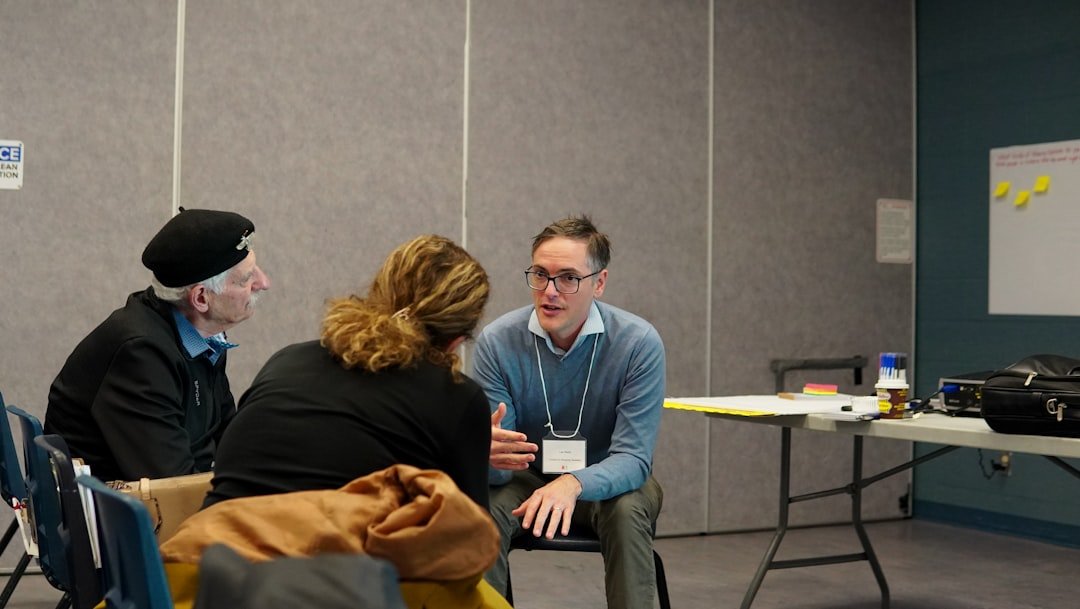
What is Networking for Introverts?
Networking for introverts isn't a watered-down version of "real" networking. It's a strategic approach that plays to your natural strengths while working around the energy drains that come with prolonged social interaction.
At its core, introvert-friendly networking focuses on:
Depth over breadth. Instead of collecting fifty business cards, you aim for five genuine connections with people you actually want to talk to again.
Preparation over improvisation. Rather than winging it, you research attendees, prepare talking points, and have a game plan before you arrive.
Strategic energy management. You treat your social energy like a battery that needs recharging, planning breaks and exits before you hit empty.
Listening as a superpower. While extroverts often dominate conversations, introverts tend to ask better questions and remember what people say—qualities that make others feel genuinely heard.
Introverts are uniquely positioned to form deeper connections because they're naturally inclined to listen more than they speak. In a world where everyone is trying to be heard, being someone who actually listens is remarkable.
Why Should You Care About Conference Networking?
You might be wondering if conference networking is even worth the effort. Can't you just build relationships online? The short answer: yes, but you're leaving significant opportunities on the table.
Conferences compress months of relationship-building into days. You're surrounded by people who share your professional interests, have already invested time and money to be there, and are actively looking to connect. This concentration of opportunity doesn't exist anywhere else.
For introverts specifically, conferences offer something valuable: structured social environments. Unlike open-ended cocktail parties, conferences have sessions, breaks, and clear conversation prompts ("What did you think of that keynote?"). This structure is your friend.
Here's what conference networking can do for your business:
- Find potential partners who complement your capabilities
- Learn about opportunities before they're publicly announced
- Build your reputation as a thoughtful professional in your field
- Get referrals from people who've actually met you
- Accelerate trust that takes months to build online
Getting Started: Your Pre-Conference Game Plan
The secret to introvert-friendly networking? Most of the work happens before you arrive. Preparation transforms networking from an anxiety-inducing guessing game into a series of intentional conversations with people you've chosen to meet.
Start your preparation at least two weeks before the event. This gives you time to research, reach out, and mentally prepare without feeling rushed.
-
Most conferences publish this information. Identify 10-15 people you'd genuinely like to meet.
-
Spend 10 minutes per person. Read their LinkedIn, recent articles, or company news. Find genuine common ground.
-
A simple LinkedIn message saying you'll be at the conference and would love to connect can work wonders.
-
Craft a 30-second explanation of what you do and why it matters. Practice until it feels natural.
-
Block 20-30 minutes between sessions for recharging. Identify quiet spots in the venue.
-
Aim for 3-5 meaningful conversations per day, not 30 business card exchanges.
-
Have 5-7 open-ended questions ready that go beyond 'What do you do?'
The Pre-Event Outreach Message
Reaching out before a conference might feel awkward, but it's one of the most effective networking tactics—and it's particularly well-suited to introverts because it starts the conversation in writing.
Here's a template that works:
Hi [Name], I noticed we're both attending [Conference] next week. I've been following your work on [specific thing], and I'd love to grab a coffee during one of the breaks if you're open to it. No pressure either way—I know these events can get hectic. Either way, looking forward to your session on [topic].
This message works because it's specific, low-pressure, and shows you've done your homework.
Basic Concepts: The Introvert's Networking Toolkit
Before diving into tactics, let's establish the foundational concepts that make introvert networking work.
Energy Management is Everything
Introverts aren't antisocial—they're differently social. Social interaction drains your battery in a way it doesn't for extroverts. This isn't a weakness; it's just physics. Plan accordingly.
Think of your energy like a phone battery. You start the day at 100%. Every conversation uses some charge. Big group interactions drain faster than one-on-one talks. You need to find your charging stations (quiet corners, brief walks outside, hotel room breaks) and use them before you hit 10%.
The Power of Focused Attention
In a room full of people half-listening while scanning for someone more important, your ability to be fully present is remarkable. When you give someone your complete attention, they notice. They remember you.
Questions Are Your Superpower
Introverts often worry about what to say. Here's the liberating truth: you don't need to say much. You need to ask good questions and listen to the answers. People love talking about themselves, their work, and their challenges. Let them.
Quality Connections Compound
One genuine connection who becomes a long-term collaborator is worth more than a hundred business cards in a drawer. Introverts naturally build these deeper relationships. Trust that approach.
- Deep listening skills that make others feel valued
- Thoughtful, prepared approach to conversations
- Natural ability to build one-on-one rapport
- Better at following up and maintaining relationships
- Less likely to overpromise or oversell
- Limited social energy requires strategic management
- May miss spontaneous group opportunities
- Can struggle with initial approach in crowded settings
- May appear distant or uninterested if energy depleted
- Networking styles of events often favor extroverts
The key is leveraging your strengths while strategically managing around your challenges. You don't need to become an extrovert—you need to network like the introvert you are.
Common Beginner Mistakes to Avoid
Even with the best intentions, new networkers often stumble into these traps. Knowing what to avoid is just as important as knowing what to do.
Mistake #1: Trying to Be an Extrovert
This is the biggest mistake introverts make. They watch extroverts work the room and think, "I need to do that." No, you don't. Trying to be someone you're not is exhausting and comes across as inauthentic. People can sense when you're performing.
Instead: Be your naturally curious, thoughtful self. Focus on conversations where you can bring genuine interest.
Mistake #2: Skipping the Preparation
"I'll just see who I meet." This approach works for extroverts who thrive on spontaneity. For introverts, it usually means wandering around feeling awkward, then retreating to your phone or leaving early.
Instead: Always have at least three people you want to meet and a rough plan for how to find them.
Mistake #3: Over-Scheduling
In an attempt to maximize the conference investment, some introverts pack their schedule with back-to-back sessions and meetings. By day two, they're running on fumes and providing diminishing value in every interaction.
Instead: Schedule at 60% capacity. Leave room for spontaneous conversations and, critically, for recharging.
Mistake #4: Neglecting the Follow-Up
You had a great conversation. You meant to send that email. Three weeks later, the connection has gone cold. This is where most networking value dies.
Instead: Follow up within 48 hours while the conversation is fresh. Even a simple "Great meeting you—let's continue that conversation" keeps the door open.
Mistake #5: Only Talking to People Like You
It's comfortable to gravitate toward fellow introverts or people in your exact field. But the most valuable connections often come from adjacent industries or people with different perspectives.
Instead: Intentionally include one or two "stretch" conversations with people outside your comfort zone.
Your First Conference: A Step-by-Step Guide
Let's walk through exactly how to execute introvert-friendly networking at your next conference. This is your tactical playbook.
The Day Before
Evening preparation (30 minutes): - Review your target connection list one more time - Check the next day's schedule and identify natural networking moments - Prepare your bag: business cards, phone charger, notebook, mints - Lay out comfortable professional clothes (you'll be on your feet) - Get a good night's sleep—social energy starts with physical energy
Morning of the Event
Pre-arrival routine: - Eat a solid breakfast (low blood sugar kills social energy) - Review your conversation starters during the commute - Arrive 15 minutes early to orient yourself before the crowd builds - Locate quiet spaces: corners, outdoor areas, empty session rooms - Find the coffee station—it's a natural conversation zone
During the Conference
The session strategy: Arrive a few minutes early and sit near the aisle, one row from the front. This position lets you make easy eye contact with speakers and slip out without climbing over people. After sessions, you have a natural conversation starter: the content you just heard.
The approach: Don't interrupt groups of three or more people in animated conversation. Instead, look for: - Individuals checking their phone (often fellow introverts looking for an excuse to talk) - Pairs where one person has clearly finished speaking - People in the coffee line or at charging stations - Speakers right after their session (they're often alone and approachable)
Opening lines that work: - "What brought you to this conference?" - "What's been your favorite session so far?" - "I noticed you asked that question during the panel—I was curious about the same thing." - "I'm [Name]. I work on [X] and I'm trying to learn more about [Y]."
The conversation flow: 1. Open with a question (not your elevator pitch) 2. Listen actively—maintain eye contact, nod, ask follow-up questions 3. Find a connection point (shared challenge, mutual contact, common interest) 4. Share briefly about yourself when asked 5. If there's mutual interest, suggest a specific next step 6. Exit gracefully ("I'll let you get back to the conference—let's definitely connect on LinkedIn")
No image uploaded.
Energy Management Throughout the Day
Recognize your warning signs: For most introverts, these include difficulty focusing, irritability, giving shorter answers, or wanting to check your phone constantly.
Take strategic breaks: Every 90-120 minutes, take 15-20 minutes alone. Walk outside. Find an empty room. Sit in a quiet corner with a coffee. This isn't being antisocial—it's being sustainable.
The lunch escape: Conference lunches are often the most draining part of the day—loud rooms, forced seating, hours of small talk. Consider having lunch alone or with one pre-arranged person. The afternoon sessions are when many people make their best connections; you want energy for them.
Know your exit: Give yourself permission to leave before the official end if you're depleted. A great conversation at 2 PM beats a forced one at 5 PM.
Next Steps: After the Conference
The conference ends, but the networking doesn't. What you do in the next 48 hours determines whether those conversations become relationships or forgotten exchanges.
The 48-Hour Follow-Up Window
Within two days of meeting someone, send a personalized follow-up. This isn't optional—it's where networking value is actually created.
A strong follow-up includes: - A specific reference to your conversation - One piece of value (an article, introduction, or resource you mentioned) - A clear but low-pressure next step
Example:
Hi Sarah, Great meeting you at the conference yesterday. Our conversation about partnership challenges in the SaaS space stuck with me—especially your point about aligning incentives early. I mentioned that article on partnership structuring; here's the link: [URL]. If you're ever interested in continuing the conversation over coffee (virtual or otherwise), I'd enjoy that. Either way, best of luck with the expansion you mentioned.
Building the Relationship
The follow-up opens the door. Now you need to walk through it—slowly and authentically.
In the first month: - Connect on LinkedIn with a personalized note - Share one relevant article or resource without asking for anything - If you promised an introduction, make it
In the first quarter: - Check in once with something genuinely useful to them - If there's a natural collaboration opportunity, explore it - Don't force it—some connections take time to develop
The long game: Most networking value doesn't appear immediately. The person you met at a conference might become a partner two years later. Stay in touch with occasional, value-adding touchpoints. Your job is to be remembered positively when an opportunity arises.
Ready to Deepen Your Partnership Strategy?
You've mastered the networking. Now learn how to convert those connections into strategic partnerships that drive real growth.
Explore Our Partnership FrameworksFrequently Asked Questions
Conclusion
Here's what most networking advice gets wrong: it assumes everyone should network the same way. But you're not everyone. You're an introvert, which means you bring a unique set of strengths to the table—depth, listening, preparation, and the ability to form genuine connections that last.
The strategies in this guide aren't about pretending to be something you're not. They're about creating the conditions where your natural strengths can shine.
Start small. Pick one upcoming event—even a local meetup—and apply these principles. Prepare ahead. Set realistic goals. Manage your energy. Have your questions ready. Follow up within 48 hours.
You might be surprised at what happens. The connections you build through thoughtful, intentional networking tend to be deeper and more durable than those formed through working the room. And in the world of strategic partnerships, depth beats breadth every time.
The most successful business relationships often begin with a single genuine conversation between two people who were actually paying attention to each other. That's your arena. Own it.
Comments
No comments yet. Be the first to comment!
Leave a Comment